
In 2026, many HBSN authors make outstanding contributions to our journal. Their articles published with us have received very well feedback in the field and stimulate a lot of discussions and new insights among the peers.
Hereby, we would like to highlight some of our outstanding authors who have been making immense efforts in their research fields, with a brief interview of their unique perspective and insightful view as authors.
Outstanding Authors (2026)
Usman Saeed, Oslo University Hospital, Norway
Outstanding Author
Usman Saeed
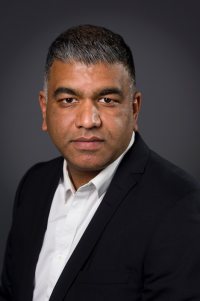
Dr. Usman Saeed, MD, PhD, is a consultant colorectal surgeon at Oslo University Hospital and Associate Professor at the Institute of Clinical Medicine, University of Oslo, Norway. He leads the Colorectal Surgery Research Group at Oslo University Hospital/University of Oslo. His clinical and academic work focuses on colorectal cancer surgery, cancer epidemiology, registry-based research, surgical oncology and translational cancer research. He completed his PhD in 2024 on body mass index (BMI) and cancer epidemiology, with emphasis on colorectal, pancreatic and hepatobiliary malignancies. His recent research includes population-based studies on BMI and gastrointestinal cancer risk and outcomes, as well as clinical and translational studies in colorectal cancer. He is part of the project group/leadership of the SYLMET trial, a multicentre randomized trial comparing simultaneous versus staged resection of colorectal cancer with synchronous liver metastases, integrating surgical outcomes, health economics and translational tumour biology. Learn more about him here, and follow him on LinkedIn.
HBSN: What are the most commonly encountered difficulties in academic writing?
Dr. Saeed: One of the most common difficulties in academic writing is transforming a clinically relevant idea into a clear scientific question. As clinicians, we often start with observations from daily practice, but these need to be refined into hypotheses, outcomes, and methods that can be tested and communicated transparently. Another challenge is balancing detail and clarity. A manuscript must contain enough methodological detail to be reproducible, but still remain readable and focused. This is particularly important in registry-based research, where definitions, coding, missing data, confounding, and bias must be handled carefully. Finally, academic writing requires persistence. The process from first draft to publication often includes several rounds of revision, criticism, and restructuring. Learning to accept peer review as a constructive part of the scientific process is essential. In my view, good academic writing is not only about presenting positive results, but about presenting uncertainty, limitations, and clinical relevance in an honest way.
HBSN: The burden of being a scientist/doctor is heavy. How do you allocate time to write papers?
Dr. Saeed: Combining clinical work, leadership responsibilities, teaching, and research is challenging, and I do not think there is a perfect formula. For me, the key is to integrate research into clinical work rather than seeing it as a completely separate activity. Many of my research ideas come from clinical questions encountered in multidisciplinary meetings, operating theatres, outpatient clinics, and quality-improvement work. I try to protect smaller blocks of time for writing and analysis, and I have learned that progress often comes from consistency rather than long uninterrupted periods. Even a few focused hours can move a manuscript forward if the research question and structure are clear. Collaboration is also essential. Working with statisticians, PhD candidates, surgeons, oncologists, molecular biologists, and registry experts makes the process more efficient and scientifically stronger. I also believe that writing becomes easier when the project has direct clinical relevance. When the results may influence patient care or improve how we organize treatment, it becomes easier to prioritize the work despite a demanding clinical schedule.
HBSN: What is fascinating about academic writing?
Dr. Saeed: What fascinates me most about academic writing is that it forces us to move from impression to evidence. In surgery, we make many decisions based on experience, pattern recognition, and clinical judgement. Academic writing requires us to examine these impressions systematically, challenge our assumptions, and communicate findings in a way that others can scrutinize and build upon. I also find it fascinating that writing often improves the science itself. When you try to explain a study clearly, weaknesses in the design, analysis, or interpretation become visible. In that sense, writing is not just the final step of a research project; it is part of the scientific method. Academic writing also creates a bridge between individual patients and broader clinical knowledge. This is particularly evident in surgical oncology, where unanswered clinical questions, such as how best to sequence surgery for colorectal cancer with synchronous liver metastases, can only be resolved through carefully designed collaborative studies. In projects such as SYLMET, writing is not merely the reporting of results, but part of a larger process of defining clinically meaningful endpoints, integrating patient perspectives, and connecting surgical outcomes with tumour biology. That connection between clinical practice, scientific reasoning, and patient benefit is what makes academic writing deeply meaningful to me.
(by Brad Li, Masaki Lo)