
In 2026, HBSN reviewers continue to make outstanding contributions to the peer review process. They demonstrated professional effort and enthusiasm in their reviews and provided comments that genuinely help the authors to enhance their work.
Hereby, we would like to highlight some of our outstanding reviewers, with a brief interview of their thoughts and insights as a reviewer. Allow us to express our heartfelt gratitude for their tremendous effort and valuable contributions to the scientific process.
Jongman Kim, Samsung Medical Center, South Korea
Vera Hartman, Antwerp University Hospital, Belgium
Seoung Hoon Kim, National Cancer Center, Korea
Francesco Guerra, AUSL Toscana Sud-Est, Grosseto, Italy
Radoslava Stoyanova, Barmherzige Schwestern Krankenhaus Wien, Austria
José Manuel Ramia-Angel, Hospital General Universitario Dr. Balmis, Spain
Masanori Fukushima, Nagasaki University, Japan
Alexander S. Thomas, Medical University of South Carolina, USA
Salamah Mohammad Alwahsh, Palestine Polytechnic University (PPU), Palestine
Sho Kiritani, Cancer Institute Hospital of the Japanese Foundation for Cancer Research (JFCR), Japan
Andrea Dalbeni, University Hospital of Verona, Italy
Yutaro Naka, Shizuoka Hospital, Japan
Hajime Imamura, Nagasaki University Graduate School of Biomedical Sciences, Japan
Hassan Aziz, University of Iowa, USA
Andrew T. Roberts, King's College Hospital, United Kingdom
Juri Fuchs, Bicêtre Hospital, France
Akira Matsushita, Nippon Medical School, Japan
Charalampos Theocharopoulos, University of Colorado, USA
Viet H. Le, Creighton University School of Medicine, USA
Artur Rebelo, Martin Luther University Halle-Wittenberg, Germany
Mazhar A. Kanak, Virginia Commonwealth University (VCU), USA
Jongman Kim
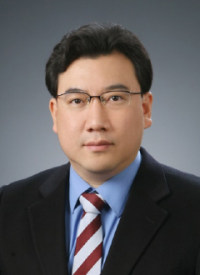
Dr. Jongman Kim received his MD from Korea University in 2000 and completed his surgical training at Korea University Medical Center in 2005. From 2008 to 2011, he worked as a fellow in the Transplantation Division, Department of Surgery, Samsung Medical Center, Sungkyunkwan University School of Medicine (Seoul, Korea), where he studied solid organ transplantation and hepatocellular carcinoma (HCC). He then obtained his Ph.D. from Korea University in 2009, with a dissertation on 4-1BB antibody‑based cancer immunotherapy. Since then, he has continued his career as a professor in the Department of Surgery, Samsung Medical Center, Sungkyunkwan University School of Medicine until now (2026). In addition, Dr. Kim has operated on laparoscopic liver resection in liver malignancy and living liver donors, and has studied on HCC hepatectomy patients. He has operated on living or deceased donor for liver transplantation. His research focuses are mainly on minimal invasive surgical techniques, surgical techniques of liver transplantation, ABO-incompatibility, HCC, and immunosuppression in liver transplantation. He has performed many prospective clinical trials and international multicenter registration studies and has thus published many papers, with approximately 400 articles related to liver transplantation and/or HCC in the Journal of Hepatology, Hepatology, Annals of Surgery, British Journal of Surgery, Liver Transplantation, Hepatobiliary Surgery and Nutrition, and Transplantation.
HBSN: What do you regard as a healthy peer‑review system?
Dr. Kim: The core of a healthy review system lies in mutual growth through dialogue between researchers and reviewers. Rather than simply “accepting” or “rejecting,” it is crucial to provide specific, actionable feedback that enables authors to advance their research further. Reviewers, in turn, can grow by engaging with researchers’ perspectives. Speed and fairness are also vital. However, because reviewers themselves have extensive experience as researchers, deciding to reject a manuscript is an extremely difficult choice. Even when researchers receive a rejection, I hope they will use the reviewer’s meticulous feedback to produce even more outstanding research.
HBSN: Biases are inevitable in peer review. How do you minimize any potential biases during review?
Dr. Kim: I believe bias inevitably creeps into human minds and evaluations. To counter this, I consciously avoid looking at the authors’ affiliations and always start by reading the abstract and main text first, striving to focus solely on the research content. I constantly ask myself, “Is the standard I’m using objective? Is it based on sufficient evidence?” Finally, when a paper’s conclusion completely contradicts my existing beliefs, I re‑evaluate the research findings to verify whether the results were properly derived. I strive to eliminate emotional reactions as much as possible and make rational judgments.
HBSN: Would you like to say a few words to encourage other reviewers who have been devoting themselves to advancing scientific progress behind the scene?
Dr. Kim: I deeply respect my fellow reviewers who quietly contribute to scientific progress through the unseen process of peer review. Though their names may not appear in the paper, the time and advice they invest in reviewing are pillars that uphold science’s credibility. Their meticulous critiques provide invaluable lessons to researchers and lead to stronger papers. While the review process can sometimes be exhausting and cumbersome, I believe these steps collectively make the research environment more transparent and constructive for everyone. I would be grateful if we could all continue to be quiet companions in fostering a healthy scientific culture.
(by Ziv Zhang, Masaki Lo)
Vera Hartman

Dr. Vera Hartman is a pancreatic and transplant surgeon at Antwerp University Hospital and a PhD candidate focusing on exocrine pancreatic insufficiency following pancreatic surgery. She obtained her medical degree and completed her surgical training at the University of Antwerp, and has been a staff member in Hepatopancreatobiliary, Endocrine and Transplant surgery at Antwerp University Hospital since 2015. Her research is primarily dedicated to pancreatic surgery, with particular emphasis on postoperative pancreatic function, including the diagnosis and management of exocrine insufficiency, as well as minimally invasive and robotic surgical techniques. She is actively involved in several international collaborative research initiatives and has contributed to numerous peer-reviewed publications in the fields of pancreatic surgery and surgical oncology. Dr. Hartman holds memberships in multiple national and international scientific societies and participates in advisory and program committees, reflecting her ongoing commitment to advancing research and clinical practice in pancreatic surgery. Connect with her on LinkedIn.
Dr. Hartman emphasizes that peer review is essential to ensure the quality, validity, and scientific integrity of research. It acts as a filter, ensuring that only research meeting accepted scientific and ethical standards enters the literature, thereby maintaining trust in published evidence and supporting evidence-based practice.
In Dr. Hartman’s opinion, there will always be some form of bias in peer review, especially confirmation bias. She believes it is the reviewer’s job to be aware of this and try to avoid it. In her opinion, reviews should always be blinded.
Dr. Hartman notes that institutional review board (IRB) approval is crucial to ensure that research involving human participants is conducted ethically, with respect for autonomy, beneficence, and justice. It safeguards participants by evaluating risks, ensuring informed consent, and protecting privacy and confidentiality. She further explains that if IRB approval is omitted, the study may violate ethical and legal standards, potentially causing harm to participants, and undermining its scientific value.
(by Lynette Wan, Brad Li)
Seoung Hoon Kim
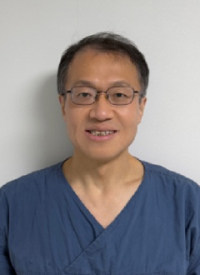
Seoung Hoon Kim graduated from Seoul National University College of Medicine in 1996 and earned his PhD there in 2006. After surgical residency and fellowship at Seoul National University Hospital, he joined the National Cancer Center, Korea, in 2003, where he serves as Director of the Organ Transplantation Center and Senior Researcher. He specialises in hepatobiliary and pancreatic surgery, focusing on liver transplantation and hepatectomy for hepatocellular carcinoma, cholangiocarcinoma, and metastatic liver disease. His work also aims to improve outcomes for both donors and recipients, performing the full spectrum of living donor liver transplantation, including donor and recipient surgery and microsurgical anastomosis. He has authored over 70 peer-reviewed publications. With more than 20 years of experience, he has performed over 800 living donor liver transplants and 2,000 liver resections. His research addresses advanced surgical techniques and the safe expansion of donor criteria, including ABO-incompatible transplantation and marginal living donors.
HBSN: What do you regard as a healthy peer-review system?
Dr. Kim: A healthy peer-review system is one that protects both scientific integrity and scientific curiosity. It should be rigorous enough to filter out flawed conclusions, yet open enough to allow new ideas to develop. In my view, peer review is not merely about rejection or acceptance—it is about improving the work. A strong system fosters constructive dialogue, even if anonymous, where reviewers act not as gatekeepers but as responsible colleagues who help refine the science. Such a system should also be fair, consistent, and timely, ensuring that all submissions are evaluated by the same standards while providing authors with clear, constructive feedback.
HBSN: Biases are inevitable in peer review. How do you minimize any potential biases during review?
Dr. Kim: I actively minimise potential biases by focusing on the scientific core of the manuscript—its data, methodology, and the validity of its conclusions—rather than the authors or their affiliations. I apply consistent and structured standards across all submissions. I also balance novelty and validity: a study may be methodologically sound yet lack meaningful impact, while highly novel work may be limited by insufficient methodological rigour. In my view, a manuscript should demonstrate both scientific validity and a clear contribution to the field to merit acceptance.
HBSN: Would you like to say a few words to encourage other reviewers who have been devoting themselves to advancing scientific progress behind the scenes?
Dr. Kim: Peer review is often invisible work, but it quietly shapes the direction of science. Every thoughtful comment can prevent errors, strengthen evidence, and ultimately improve patient care. Even though reviewers rarely receive recognition, their influence is real and lasting. I believe careful and honest reviews are a form of academic responsibility—and in many ways, a contribution as meaningful as authorship itself.
(by Lynette Wan, Brad Li)
Francesco Guerra
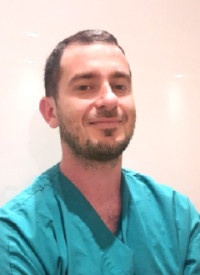
Dr. Francesco Guerra, MD, is a consultant general and gastrointestinal surgeon at the Department of General Surgery, AUSL Toscana Sud-Est, Grosseto, Italy. His clinical and academic activity focuses on minimally invasive oncologic surgery of the gastrointestinal tract and hepatopancreatobiliary (HPB) surgery, with particular interest in robotic and advanced laparoscopic techniques. His research is primarily dedicated to the development and standardization of innovative minimally invasive surgical strategies aimed at improving oncologic outcomes while enhancing surgical precision and postoperative recovery. He actively collaborates in international research initiatives and contributes regularly to peer-reviewed surgical literature and major scientific meetings. Dr. Guerra is strongly involved in surgical education and advanced training. He serves as faculty member of the International School of Robotic Surgery in Grosseto and regularly participates in advanced surgical training programs, including cadaveric and animal model courses for minimally invasive and robotic surgery. He also serves on the editorial board of several surgical journals focused on laparoscopic and robotic surgery. Visit Dr. Guerra’s ORCID, ResearchGate and LinkedIn for more information.
Dr. Guerra outlines the qualities a reviewer should possess, combining subject expertise with intellectual integrity and a constructive attitude. He emphasizes that the goal of peer review is not only to evaluate a manuscript but also to help improve its clarity, methodological rigor, and clinical relevance. In his view, objectivity, fairness, and the ability to distinguish major scientific issues from minor points are essential. Timeliness is also important, as an efficient peer-review process supports the quality and credibility of scientific publishing.
Dr. Guerra notes that reviewers should keep in mind not only the methodological quality of the study, but also the rationale behind it and the actual contribution it adds to the existing evidence. A well-conducted study is important, but it should also address a relevant clinical question and provide new or useful insights for the field. Peer review should therefore focus on whether the research is sound, clearly presented, and capable of advancing current knowledge.
From a reviewer’s perspective, Dr. Guerra considers it important for authors to follow reporting guidelines such as STROBE, CONSORT, PRISMA, and CARE during preparation of their manuscripts. To him, reporting guidelines are extremely valuable, as they promote transparency, completeness, and methodological clarity in scientific reporting. For reviewers, they provide a structured framework to assess study design and reporting quality; for readers, they improve the reliability and interpretability of the results. At the same time, he adds that a certain degree of flexibility is necessary during the review process, since not every type of scientific contribution fits perfectly within a specific guideline. Each manuscript should therefore be assessed in relation to its design, scope, and the type of evidence it aims to provide.
(by Lynette Wan, Brad Li)
Radoslava Stoyanova

Dr. Radoslava Petkova Stoyanova, MD, is a consultant surgeon at Barmherzige Schwestern Krankenhaus Wien in Vienna, Austria, and the head of the HPB (hepatopancreatobiliary) outpatient clinic at the hospital. She completed her fellowship in the HPB and transplant division at a Military Medical Hospital in Sofia, Bulgaria. She received the European Diploma in oncological treatment of HPB cancers in 2023 and has been a certified surgeon for the Da Vinci Xi System since 2022, having performed over 400 robotic operations. Her research focuses on HPB malignancies and minimally invasive treatment options, including robotic surgery, the implementation of fluorescent imaging in robotic HPB resections, and enhanced recovery after surgery. She is an active member of several international societies, serves as a reviewer for leading surgical and oncology journals, and regularly participates in national and international conferences. She has authored articles on minimally invasive treatment of choledocholithiasis, liver venous deprivation to increase the future liver remnant, and enhanced recovery after liver surgery. Learn more about her here.
HBSN: Biases are inevitable in peer review. How do you minimize any potential biases during review?
Dr. Stoyanova: For me, the quality of the article and the ideas presented are most important. I follow a structured guideline for each review, applying the same steps regardless of the author, institution, gender, concept, or previous revision history.
HBSN: Is there any interesting story during review that you would like to share with us?
Dr. Stoyanova: Reviewing articles is enjoyable for me, and I often do it alongside my clinical duties, for example after surgeries or even on vacation. Once, while on holiday in Italy, I reviewed an interesting article about a Dieulafoy’s lesion. After finishing, I realized the article was also authored in Italy. Nevertheless, reading and discussing the work of colleagues is always refreshing and intellectually stimulating.
HBSN: Data sharing is prevalent in scientific writing in recent years. Do you think it is crucial for authors to share their research data?
Dr. Stoyanova: Today, data sharing promotes transparency in scientific findings and can increase citations. I believe it is very important, as it enhances the overall quality of scientific work. Potential drawbacks, such as misinterpretation, ethical constraints, or fear of being scooped, should be actively discussed within the scientific community to develop effective solutions.
(by Lareina Lim, Brad Li)
José Manuel Ramia-Angel

Dr. José Manuel Ramia-Angel is a Professor of Surgery at Miguel Hernández University and Head of the Department of Surgery at Hospital General Universitario Dr. Balmis (Alicante, Spain). He specializes in hepatopancreatobiliary surgery and liver transplantation and actively engages in clinical research and surgical education. He has authored more than 350 PubMed-indexed publications and has extensive experience in the peer-review process, having completed over 600 reviews for indexed international journals. His reviewing activity spans a wide range of surgical research topics, with a focus on methodological rigor, clinical relevance, and clarity of reporting. He is dedicated to upholding high standards in scientific publishing and actively participates in the peer-review process as a vital part of academic practice. Learn more about him here.
Dr. Ramia-Angel believes that the current peer-review system remains vital for maintaining scientific quality; however, it faces several challenges, including inconsistent review standards, potential bias, limited transparency, and increasing reviewer workload. The rise in submissions can also reduce the depth and speed of reviews. Improvements should aim to boost transparency, adopt standardized evaluation criteria, and offer formal training in peer review. Moreover, greater institutional and academic recognition of reviewers’ contributions is needed to keep reviewers engaged and ensure the system's sustainability while upholding scientific rigor.
In Dr. Ramia-Angel’s opinion, a reviewer must demonstrate strong expertise in the field, critical appraisal skills, and a high level of objectivity. The ability to evaluate methodological validity, clinical relevance, and originality is essential. Additionally, reviewers should provide clear, structured, and constructive feedback to enhance the manuscript's quality. Comments should always be respectful and professional, maintaining a courteous tone regardless of the recommendation. In this regard, the reviewer should also take on a mentoring role, helping authors refine their work and guiding them toward higher scientific and reporting standards. Upholding professional integrity, confidentiality, and a strong commitment to scientific quality are fundamental to the peer-review process.
“Peer reviewing is a vital part of academic responsibility and is essential for maintaining the quality and reliability of scientific literature. Having conducted numerous reviews over the years, I see it as an integral part of my academic work. My motivation mainly comes from wanting to contribute to the progress of the field, help authors improve their work, and ensure that published research meets scientific and clinical standards. Additionally, the process is intellectually rewarding because it offers ongoing learning opportunities through exposure to new ideas, methodologies, and emerging evidence from other researchers’ work,” says Dr. Ramia-Angel.
(by Lareina Lim, Brad Li)
Masanori Fukushima
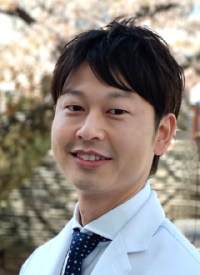
Masanori Fukushima, MD, PhD, graduated from Nagasaki University School of Medicine in 2008 and earned his doctoral degree at the same institution. From 2016 to 2018, he worked as a research fellow at the Mayo Clinic (USA), where he was involved in translational research. He is currently serving as an Assistant Professor in the Department of Gastroenterology and Hepatology at Nagasaki University Graduate School of Biomedical Sciences. His clinical specialty is liver disease, and his research focuses on liver fibrosis, metabolic dysfunction-associated steatotic liver disease (MASLD), and complications of liver cirrhosis.
Dr. Fukushima reckons that a healthy peer-review system requires evaluation by experts with sufficient domain knowledge, as a detailed understanding of the content is essential for appropriate assessment. However, in highly specialized fields and in systems that rely largely on voluntary contributions, there is a risk of over-reliance on a limited number of reviewers, which may lead to bias. To ensure a broader and more sustainable reviewer base, recent efforts to introduce incentives and formal recognition for reviewers are encouraging, although further improvements are still needed. In addition, with the increasing complexity of modern analytical methods, it can sometimes be difficult to determine whether the analyses are appropriate. While clinical experts can assess the medical relevance, there are situations in which the involvement of statistical experts may be necessary, and a system that allows for such consultation could further strengthen the review process.
According to Dr. Fukushima, novelty is an important consideration. In clinical research, he particularly focuses on whether the findings have meaningful implications for clinical practice and whether publication adds value to the field. At the same time, scientific validity and methodological rigor are essential. He also tries to provide constructive feedback rather than merely critical comments, with the goal of helping authors improve the quality of their work.
“I tend to accept review requests when the manuscript aligns with my area of expertise and presents interesting content. I also make an effort to review for journals to which I have previously submitted, as a way of contributing back to the academic community. In addition, the peer-review process provides valuable learning opportunities and allows me to stay updated with the latest developments in my field,” says Dr. Fukushima.
(by Lareina Lim, Brad Li)
Alexander S. Thomas

Dr. Alexander S. Thomas is a surgical oncologist specializing in hepatopancreatobiliary (HPB) surgery. He completed his general surgery residency and postdoctoral research fellowship at Columbia University Irving Medical Center, followed by fellowships in Complex General Surgical Oncology and HPB surgery at the University of Pittsburgh Medical Center. His clinical and academic focus centers on liver and pancreatic malignancies, with a keen interest in robotic surgery and multidisciplinary cancer care. In 2026, he will join the Medical University of South Carolina as an Assistant Professor of Surgery. Dr. Thomas’s research aims to optimize the management of advanced HPB malignancies by refining surgical decision-making, improving perioperative outcomes, and contributing to consensus guidelines for complex oncologic scenarios. His recent work also includes investigations into tumor biology and patient-reported outcomes following hepatobiliary surgery. Learn more about him here.
HBSN: What do you regard as a healthy peer-review system?
Dr. Thomas: A healthy peer-review system strikes a thoughtful balance between rigorous quality control and respect for the effort invested by authors. At its core, peer review should ensure the validity, clarity, and clinical relevance of submitted work, thereby maintaining trust in the scientific literature. At the same time, it should avoid imposing excessive revisions that do not meaningfully improve the manuscript. An effective system also recognizes reviewers as objective contributors to the publication process—individuals who not only evaluate scientific rigor, but also help refine manuscripts, identify gaps in the literature, and highlight work that advances the field. Ultimately, a healthy peer-review system is one that is constructive, efficient, and focused on elevating high-quality science rather than creating barriers to dissemination.
HBSN: What reviewers have to bear in mind while reviewing papers?
Dr. Thomas: Reviewers should approach each manuscript with humility, recognizing the expertise and effort behind the work. Their primary responsibility is to ensure scientific validity, but they should also look for opportunities to improve clarity and context. Importantly, reviewers should reserve critiques for changes that meaningfully strengthen the manuscript—balancing a duty to screen for flaws with a duty to authors to “look for reasons to publish.” Timeliness and professionalism are critical, as reviewers play a key role in ensuring an efficient and fair publication process.
HBSN: Would you like to say a few words to encourage other reviewers who have been devoting themselves to advancing scientific progress behind the scene?
Dr. Thomas: Peer review is often an invisible behind-the-scenes effort, yet it plays an indispensable role in advancing our field. For me, it has been one of the most effective ways to stay current with emerging literature while sharpening my ability to critically appraise and apply evidence in clinical practice. It has also strengthened my own research by helping me identify meaningful questions and design more rigorous studies. Reviewers serve as stewards of the scientific process—preserving trust in the literature while facilitating the efficient dissemination of high-quality work. I would encourage fellow reviewers to view this role not as a burden, but as a valuable opportunity to grow as a clinician and an academic contributor, and to contribute directly to the collective progress of our discipline.
(by Lareina Lim, Brad Li)
Salamah Mohammad Alwahsh

Dr. Salamah Mohammad Alwahsh is an Associate Professor of Histology and Cytology at the College of Medicine and Health Sciences, Palestine Polytechnic University (PPU) in Hebron, Palestine. He obtained his PhD in Pathobiology from the University of Göttingen, Germany. He has accumulated rich international research experience, having worked at the Institute of Biochemistry, Leipzig University, Germany, and the Centre for Regenerative Medicine, the University of Edinburgh, UK. His research centers on regenerative medicine and translational therapies for liver diseases, mainly focusing on cell-based treatments for hepatic disorders. He also explores molecular mechanisms behind gastrointestinal cancers and metabolic illnesses, including obesity, insulin resistance and type 1 and type 2 diabetes mellitus. His recent research covers pancreatic islet transplantation, insulin signaling pathways and the progression of fatty liver disease. Beyond research achievements, Dr. Alwahsh devotes himself to medical teaching and academic mentorship. He also actively conducts peer review for international journals to elevate overall scientific standards.
Dr. Alwahsh reckons that peer review serves multiple vital functions in scientific development. It safeguards academic integrity, guarantees rigorous methodology and ethical compliance, and verifies research findings prior to formal publication. Critical assessment helps refine manuscript quality, and it also preserves clinical credibility, particularly in the field of hepatobiliary research.
In Dr. Alwahsh’s opinion, a competent reviewer needs to balance rigorous scrutiny and constructive guidance. First and foremost, objectivity is indispensable; evaluations should be based purely on scientific merits and empirical data, free from personal prejudice and institutional bias. Reviewers must conduct thorough assessment to spot subtle methodological defects and ethical risks that may compromise research validity. Meanwhile, they ought to deliver practical, actionable suggestions to facilitate manuscript improvement. Professional ethics including punctual delivery and strict confidentiality also sustain the sound operation of the peer review system.
“To my fellow reviewers: your work is often unseen, but it is essential to scientific progress. Every manuscript you evaluate helps strengthen the quality, reliability, and future impact of medical research. Peer review is a meaningful service to our professional community and a way to safeguard scientific integrity for future generations. It also sharpens your own critical thinking and keeps you engaged with emerging discoveries. I am also grateful to Hepatobiliary Surgery and Nutrition (HBSN) for recognizing the important contributions of reviewers and for fostering a culture of scientific excellence. Stay committed, your dedication plays a vital role in advancing trustworthy science,” says Dr. Alwahsh.
(by Lareina Lim, Masaki Lo)
Sho Kiritani

Sho Kiritani, MD, PhD, is affiliated with the Cancer Institute Hospital of the Japanese Foundation for Cancer Research (JFCR) in Tokyo, Japan. He earned his medical degree from the School of Medicine, Chiba University (2005–2011), and completed his Ph.D. in Medicine at the University of Tokyo (2017–2021). He serves as a hepatobiliary and pancreatic surgeon at Cancer Institute Hospital, JFCR, and is also associated with the Department of Hepato-Biliary-Pancreatic Surgery and Artificial Organ and Transplantation Surgery at the University of Tokyo. His clinical research focuses on optimizing curative surgical strategies for biliary tract and pancreatic cancers, with an emphasis on advanced hepatobiliary-pancreatic surgical techniques. His basic research interests include prognostic profiling of biliary and pancreatic cancers using mass spectrometry‑based lipidomics. He also explores the feasibility and clinical application of artificial vascular grafts, particularly for vascular resection and reconstruction in complex oncologic hepatobiliary and pancreatic procedures.
Dr. Kiritani reckons that peer review fulfills an essential role in scientific development. Evaluation by independent experts prevents researchers from overstating their findings while helping highlight the genuine strengths of each study. Constructive peer review effectively elevates the overall quality, reliability, and scientific value of published research.
According to Dr. Kiritani, masking author identities is an effective way to reduce inherent reviewer bias. The adoption of author‑masked review systems is a positive step toward greater objectivity. However, he points out that institutional and hospital information often remains identifiable within the methods and ethical approval sections of manuscripts. Further masking of such details would enable a more rigorous and genuinely blinded peer‑review process.
“Although it is inappropriate to take ideas directly from manuscripts under review, the review process itself can provide new perspectives and insights regarding research methodology and study design. In Japan, there is a proverb meaning, ‘Kindness to others will eventually return to yourself.’ I believe the same is true for peer review: sincere contributions to the scientific community will ultimately benefit oneself as well,” says Dr. Kiritani.
(by Lareina Lim, Brad Li)
Andrea Dalbeni

Dr. Andrea Dalbeni is an internal medicine consultant at the General Medicine and Liver Unit of the University Hospital of Verona, Italy, and an Adjunct Professor at the University of Verona. He earned his medical degree with honors from the University of Modena and Reggio Emilia, completed internal medicine specialization at the University of Verona, and obtained his PhD in Clinical and Experimental Medical Sciences. His primary research interests cover metabolic-associated fatty liver disease, hepatocellular carcinoma, cardiovascular risk, hypertension and translational internal medicine. As a principal and co-investigator for numerous national and international projects and clinical trials, he has published over 100 peer-reviewed articles and actively participates in prominent scientific societies including SIMI, AISF and EASL. He currently specializes in the advanced diagnosis and management of metabolic liver diseases and associated complications.
HBSN: Why do we need peer review?
Dr. Dalbeni: Peer review is a cornerstone of scientific research because it helps ensure the quality, credibility, and reliability of published findings. Through independent evaluation by experts in the field, manuscripts are assessed for methodological rigor, scientific validity, originality, ethical compliance, and clinical relevance. Peer review acts as a quality-control mechanism that helps identify errors, biases, unsupported conclusions, and areas requiring clarification before publication. In medicine and healthcare research, where scientific evidence can directly influence patient care and public health decisions, rigorous peer review is particularly important. It improves the overall quality of scientific communication and strengthens trust in the published literature. Although the process is not perfect, it remains one of the best tools available to maintain scientific standards and promote continuous improvement in research.
HBSN: What do you consider as an objective review?
Dr. Dalbeni: An objective review evaluates manuscripts purely based on scientific merit, regardless of authors’ institutional background, nationality and personal attributes. It centers on assessing study design, experimental methodology, statistical accuracy and the rationality of final conclusions. To sustain objectivity, I evaluate the feasibility of research methods against clear research questions, deliver evidence-based comments instead of subjective preferences, and differentiate fatal methodological flaws from trivial editorial defects. Meanwhile, I stay alert to unconscious bias and provide balanced, constructive feedback to assist editors’ decision-making and help authors optimize their work.
HBSN: Is it important for authors to disclose Conflict of Interest (COI)?
Dr. Dalbeni: Comprehensive COI disclosure is essential to preserve research transparency and scientific integrity. A declared conflict of interest does not equate to academic misconduct, yet financial sponsorship, industrial cooperation and other external interests may subtly affect study design, data analysis and result interpretation. Full COI disclosure enables reviewers and readers to contextualize findings and identify potential bias. Rather than undermining research value, transparent COI reporting enhances credibility. Complete and honest conflict disclosure should be regarded as a basic professional obligation for all scientific authors.
(by Lareina Lim, Masaki Lo)
Yutaro Naka

Yutaro Naka, MD, is a gastrointestinal surgeon at Shizuoka City Shizuoka Hospital in Japan. He earned his medical degree from Kyoto University School of Medicine in 2020. His clinical practice encompasses general gastrointestinal surgery, with a specialized focus on hepatobiliary and pancreatic disorders, alongside minimally invasive and robotic surgical techniques. He prioritizes precise preoperative planning, technical optimization to improve the safety and reproducibility of complex surgeries, standardized perioperative care, and endoscopic interventions including ERCP. Rooted in routine clinical practice, his research focuses on treatment optimization for gastrointestinal and pancreatobiliary diseases, ERCP-associated complications and perioperative prognostic outcomes. He endeavors to transform clinical observations into evidence-based research through academic writing and peer review, and promotes cross-institutional and interdisciplinary collaboration to refine surgical care. Learn more about him here.
HBSN: Why do we need peer review?
Dr. Naka: Published clinical literature directly influences frontline clinicians’ patient-care decisions. Peer review validates whether research methodologies sufficiently support corresponding conclusions while identifying omitted details and overinterpreted findings to guarantee reliable publication outcomes. Rather than acting as a rigid screening barrier, a well-structured peer-review process assists authors in clarifying data implications and presenting objective, unambiguous results to the scientific community.
HBSN: What do you consider as an objective review?
Dr. Naka: To maintain objectivity, I evaluate manuscripts based solely on research content instead of authors’ backgrounds. I analyze methodologies and experimental results prior to forming subjective judgments and verify whether datasets are persuasive enough regardless of my personal stance toward the conclusions. I apply consistent evaluation standards to all submissions and distinguish critical scientific flaws from trivial stylistic issues. Furthermore, I actively decline review invitations beyond my expertise scope or cases with potential conflicts of interest to avoid unqualified assessments.
HBSN: From a reviewer’s perspective, do you think it is important for authors to follow reporting guidelines (e.g. STROBE and CARE) during preparation of their manuscripts?
Dr. Naka: Adhering to standardized reporting guidelines is essential. Frameworks such as STROBE, CONSORT, PRISMA and CARE help authors organize core research information in a standardized, reader-friendly structure and assist reviewers in quickly detecting missing details and unreasonable result interpretation. Based on my experience in publishing case reports, the CARE guideline effectively prevents incomplete information disclosure. These flexible practical frameworks serve as supportive references instead of rigid checklists, helping authors prioritize scientific rationality and improve manuscript quality.
HBSN: Would you like to say a few words to encourage other reviewers who have been devoting themselves to advancing scientific progress behind the scene?
Dr. Naka: Though often unrecognized, peer review serves as an essential mutual-support mechanism for clinicians and researchers. Deliberate and rigorous feedback polishes manuscripts and standardizes result presentation, ultimately benefiting academic readers and treated patients. As an early-career surgeon, reviewing also cultivates my critical awareness of common research pitfalls in my own publications. I sincerely encourage all reviewers to value this behind-the-scenes work, as high-quality peer review lays the foundation for credible clinical evidence and drives continuous disciplinary progress.
(by Lareina Lim, Masaki Lo)
Hajime Imamura

Hajime Imamura, MD, PhD, works as an Assistant Professor at the Department of Surgery, Nagasaki University Graduate School of Biomedical Sciences, Japan. His subspecialty covers hepatobiliary, pancreatic, and transplant surgery, with advanced expertise in pancreatic procedures, minimally invasive and robotic pancreaticoduodenectomy, as well as liver and pancreas transplantation. His research focuses on surgical outcomes of pancreatobiliary malignancies, minimally invasive HPB techniques, perioperative care, and clinical decision-making for oncological surgery. His recent studies explore the safety and oncological efficacy of robotic pancreaticoduodenectomy, surgical strategies for neoadjuvant-treated pancreatic cancer, post-operative complications following pancreatic resection, and patient-centered treatment decision-making alongside quality-of-life assessment for pancreatobiliary cancer patients.
According to Dr. Imamura, peer review safeguards scientific integrity, clinical practicability and transparency of published research. Surgical findings directly shape clinical judgment, surgical indications, perioperative protocols and long-term patient prognosis. Manuscripts require comprehensive evaluation covering novelty, methodological reliability, ethical compliance, result interpretation, and clinical value. Beyond quality screening, peer review creates a collaborative communication channel among authors, reviewers and editors to refine manuscripts. Even studies with inherent limitations can gain clearer narratives and robust discussion sections via targeted feedback, ensuring conclusions are fully backed by original data. Rather than a simple filtering mechanism, peer review is a collaborative process driving scientific progress and better patient care.
Dr. Imamura thinks that a constructive review delivers actionable guidance to upgrade manuscripts, no matter the final editorial decision of acceptance, revision or rejection. Its feedback is specific, impartial, evidence-based and polite, pinpointing core flaws in study design, patient recruitment, statistics, result interpretation or clinical translation, while offering concrete solutions for revision.
A destructive review, by contrast, features ambiguous criticism, harsh dismissive remarks and insufficient supporting reasoning. Comments that only highlight defects without recognizing the study’s merits, or delivered in an impolite tone, fail to assist authors and editorial judgment. Every manuscript reflects substantial research efforts from the authors; qualified reviews maintain rigorous standards while remaining respectful and instructive, aiming to lift the overall scientific merit of the work.
Dr. Imamura believes that institutional review board (IRB) approval is the cornerstone of ethical and accountable clinical research, protecting participants’ rights, safety, privacy and wellbeing—especially critical for surgical studies involving clinical records, biospecimens and invasive interventions. IRB committees verify ethical study design, effective risk reduction, standardized informed consent and strict data privacy protection. Skipping mandatory IRB approval severely undermines a study’s ethical credibility and scientific validity. Journals will reject such manuscripts outright, and even seemingly valuable data will be deemed untrustworthy and unpublishable. Worse still, bypassing IRB oversight violates patient rights and institutional and national research governance rules. IRB review is never just administrative paperwork, but an indispensable standard for conducting responsible human subjects’ research.
(by Lareina Lim, Brad Li)
Hassan Aziz

Dr. Hassan Aziz, MD, FACS, is a Clinical Assistant Professor of Surgery in the Division of Transplantation and Hepatopancreatobiliary Surgery at the University of Iowa Health Care. He serves as Program Director of the Abdominal Multi-Organ Transplant Fellowship and leads multiple educational and quality improvement initiatives for surgical trainees. His clinical practice focuses on liver, pancreas, biliary, and abdominal transplantation surgery, while his research interests include surgical education, health services research, artificial intelligence, and reducing disparities in access to complex hepatopancreatobiliary and transplant care. Dr. Aziz has authored more than 100 peer-reviewed publications and serves on the editorial boards of several surgical journals. He is dedicated to mentoring future surgeon-scientists and advancing evidence-based, patient-centered care through collaborative clinical research. Learn more about him here.
In Dr. Aziz's view, peer review is one of the cornerstones of scientific progress. It serves as a quality assurance process that helps ensure research is methodologically sound, clinically relevant, and presented in a clear and balanced manner before entering the scientific literature. Beyond identifying weaknesses, constructive peer review provides valuable feedback that strengthens manuscripts, enhancing both the rigor and impact of the work. Particularly in rapidly evolving fields such as hepatopancreatobiliary surgery, thoughtful peer review enables clinicians and researchers to make decisions based on reliable evidence, ultimately benefiting patient care.
When discussing the qualities of an excellent reviewer, Dr. Aziz emphasizes the importance of being objective, fair, thorough, and respectful. Since every manuscript represents a significant investment of time and effort by its authors, reviewers should approach each submission with professionalism and an open mind. Rather than merely pointing out shortcomings, reviewers should strive to provide constructive feedback that helps improve the quality of the work. While expertise in the subject matter is essential, he considers that intellectual curiosity, careful attention to methodological detail, and the ability to evaluate research without personal bias are equally valuable. He also highlights the importance of timeliness, noting that an efficient peer review process plays a vital role in accelerating scientific communication.
Reflecting on the value of peer review, Dr. Aziz describes it as an often unseen yet deeply meaningful contribution to the scientific community. Every thoughtful review not only improves an individual manuscript but also enhances the overall quality of the scientific literature that guides patient care. Although reviewing requires considerable time and dedication, he considers it an excellent opportunity to stay current with emerging research, strengthen critical appraisal skills, and contribute to the advancement of the specialty. He encourages colleagues, particularly early-career surgeons and researchers, to embrace peer review as both a professional responsibility and a rewarding form of academic service. In his opinion, the collective efforts of reviewers are essential to maintaining the integrity, credibility, and continued progress of scientific research.
(by Alan Liu, Brad Li)
Andrew T. Roberts

Dr. Andrew T. Roberts, MBBS, is a hepatopancreatobiliary (HPB) endoscopist and hepatologist at the Institute of Liver Studies, King's College Hospital, London, UK. His clinical practice focuses on advanced therapeutic HPB endoscopy, both as a complement to HPB surgery and as an approach to diagnosis and non-surgical treatment across a wide range of HPB conditions. He also has a clinical interest in immune-mediated, cholestatic, and rare liver diseases. His research spans clinical trials, multicentre and national studies, and clinical audits, with a particular focus on the outcomes, safety, and optimal use of HPB endoscopy in clinical practice. In addition, he has contributed to clinical guidelines, academic texts, and the organization of educational events, courses, and workshops in endoscopy and hepatology for trainees and practicing clinicians.
HBSN: What role does peer review play in science?
Dr. Roberts: Peer review is the point at which an author's work becomes part of the shared evidence base. It serves the essential roles of filtering and refining a manuscript by examining it through a different lens from that of the author. Through peer review, we are able to bridge the gap between an author's data-driven message and readers' interpretation. In hepatopancreatobiliary practice, this is particularly important because published series are often small, single-centre studies that may be rapidly adopted into clinical practice despite limited supporting evidence. Peer review is one of the few structured opportunities we have to read closely and think critically about work outside our own. I have learned as much from reviewing as from writing.
HBSN: Biases are inevitable in peer review. How do you minimize any potential biases during review?
Dr. Roberts: As an overarching principle, I remind myself that my role as a reviewer is to strengthen the evidence base of HPB care for the patients we serve. In practice, I focus first on the Methods and Results sections before reading the Introduction and Discussion so that I can form my own interpretation of the data before encountering the authors' conclusions. HBSN, like other high-quality journals, anonymizes authors and affiliations, allowing manuscripts to be evaluated on their own scientific merits rather than institutional reputation. However, some sources of bias cannot be completely avoided—for example, when a reviewer has a close professional connection to the subject of the manuscript. In such situations, honesty and disclosure are essential, and it is entirely appropriate to decline the review so that it can be assigned to someone who can provide a more objective assessment.
HBSN: Data sharing is prevalent in scientific writing in recent years. Do you think it is crucial for authors to share their research data?
Dr. Roberts: Yes, although I believe it should be carried out in a careful and well-regulated manner. Individual centers often do not accumulate enough patients to answer meaningful clinical questions, whereas pooled, well-documented datasets have repeatedly enabled discoveries that would not have been possible with single-center cohorts. Data sharing also allows analyses to be verified, strengthening confidence in findings that may influence clinical practice. At the same time, it requires appropriate safeguards. There is a genuine risk of patient re-identification, and datasets shared without clear definitions may be misinterpreted. Therefore, data sharing should involve controlled-access repositories, transparent data-availability statements, appropriate academic recognition for the groups responsible for data collection, and active engagement with institutional ethics committees to ensure that this valuable research tool is used responsibly.
(by Alan Liu, Brad Li)
Juri Fuchs

Dr. Juri Fuchs is a hepatobiliary and transplant surgeon specializing in pediatric liver surgery and transplantation at Bicêtre Hospital in Paris, France. He earned his medical degree from Heidelberg University, Germany, and completed his surgical residency at Heidelberg University Hospital before undertaking fellowships in liver transplantation at the Henri Bismuth Hepatobiliary Center, Paul Brousse Hospital, and in pediatric hepatobiliary surgery at Bicêtre Hospital. His clinical and academic interests include pediatric liver surgery and transplantation, hepatoblastoma, biliary atresia, and rare hepatobiliary diseases. His current research focuses on optimizing surgical strategies for pediatric liver tumors, improving outcomes after pediatric liver resection and transplantation, and integrating digital twins, artificial intelligence, and advanced imaging into pediatric hepatobiliary surgery. Dr. Fuchs has authored over 40 PubMed-indexed publications and serves on the SIOPEL Surgical Committee. Connect with him on LinkedIn.
HBSN: What role does peer review play in science?
Dr. Fuchs: Peer review is one of the cornerstones of modern scientific publishing and, in the current system, represents the most important mechanism for both quality control and the selection of evidence that enters the scientific literature. By identifying methodologically sound, clinically relevant studies and helping improve manuscripts before publication, peer review directly contributes to the generation of reliable scientific evidence.
Equally important, however, is the efficiency of the review process. High-quality studies should reach the scientific community without unnecessary delay, whereas manuscripts with major methodological shortcomings should be revised or, when appropriate, not be accepted for publication. Delayed peer review can slow the dissemination of important evidence and ultimately become a barrier rather than a facilitator of scientific progress.
Finally, peer review should always be based on objective scientific criteria rather than subjective preferences, current trends, or personal relationships. Fair, timely, and rigorous reviews are essential to ensure that the best available evidence reaches clinicians and researchers, ultimately benefiting patient care.
HBSN: What do you consider as an objective review? How do you make sure your review is objective?
Dr. Fuchs: An objective review focuses exclusively on the scientific quality of the work rather than on the authors, their institutions, or whether the findings align with the reviewer's own expectations or current trends.
I try to assess every manuscript using the same principles: the importance of the research question, methodological rigor, the validity of the analyses, the interpretation of the results, and their clinical relevance, the latter being particularly important to me. I also distinguish between major issues that affect the conclusions and minor points that improve clarity.
Whenever I raise criticism, I aim to provide a constructive explanation and, whenever possible, practical suggestions for improvement. I believe that reviewers should help authors produce the strongest possible manuscript rather than simply judge their work.
HBSN: Is it important for authors to disclose Conflict of Interest (COI)? To what extent would a COI influence a research?
Dr. Fuchs: Yes, transparent disclosure of COIs is essential for maintaining trust in scientific research. A COI does not necessarily invalidate a study or imply bias, but readers, reviewers, and editors should be aware of any relationships that could potentially influence study design, data interpretation, or reporting.
Full disclosure allows others to evaluate the findings in the appropriate context and contributes to the credibility of the scientific process. Open reporting enables informed interpretation and helps preserve confidence in published research.
(by Alan Liu, Brad Li)
Akira Matsushita

Dr. Akira Matsushita, MD, PhD, is a gastroenterological surgeon and faculty member at Nippon Medical School, specializing in pancreatic surgery and perioperative management. His research focuses on pancreatic cancer biology and biomarker development, particularly apolipoprotein A2 isoforms for early detection and perioperative risk stratification. He also serves as Vice Chair of the High-Difficulty New Medical Technology Evaluation Committee at Nippon Medical School Hospital, contributing to the evaluation and clinical implementation of advanced medical technologies. His recent projects include translational studies on apoA2 isoforms and clinical research aimed at improving surgical outcomes in pancreatic cancer.
HBSN: Why do we need peer review?
Dr. Matsushita: Peer review is fundamental to maintaining scientific rigor, transparency, and credibility. It ensures that research findings are evaluated objectively, methodological limitations are identified, and interpretations are balanced. Through constructive critique, peer review safeguards the integrity of academic publishing and promotes continuous improvement in scientific quality. It also reflects the collective responsibility of the scientific community to uphold standards that ultimately benefit patients and society.
HBSN: What do you regard as a healthy peer-review system?
Dr. Matsushita: A healthy peer-review system is fair, transparent, and timely. Reviewers should provide balanced, evidence-based comments aimed at strengthening the manuscript rather than merely judging it. Editors play a crucial role in selecting appropriate reviewers and ensuring consistency in decisions. Mutual respect among authors, reviewers, and editors is essential. A system that values constructive dialogue, minimizes unnecessary delays, and recognizes reviewers' contributions fosters trust and sustainability.
HBSN: The burden of being a scientist/doctor is heavy. How do you allocate time to do peer review?
Dr. Matsushita: Clinical duties and research responsibilities are demanding, but peer review is part of my professional commitment to the scientific community. I allocate time by integrating review tasks into short intervals between clinical work or during early mornings when I can concentrate. I accept review invitations selectively, focusing on manuscripts closely related to my expertise—such as pancreatic surgery, perioperative management, and biomarker research—to ensure efficiency and meaningful contribution. I also prioritize journals that maintain rigorous editorial standards and a constructive review culture, and I make a particular effort to accept invitations from HBSN, whose mission aligns closely with my values in scientific communication. Peer reviewing helps me stay updated with emerging evidence and evolving methodologies, ultimately enhancing my clinical and research practice.
(by Alan Liu, Brad Li)
Charalampos Theocharopoulos

Charalampos Theocharopoulos, MD, graduated summa cum laude from the National and Kapodistrian University of Athens School of Medicine and is currently a surgical resident at the University of Colorado. His clinical and academic interests lie in hepatopancreatobiliary surgery, transplantation, and surgical oncology, with a research focus on liver transplantation and the expanded use of donation after circulatory death and normothermic regional perfusion as well as cancer immunotherapy and outcomes in HPN malignancies. His recent work has examined outcomes of DCD liver transplantation in the machine-perfusion era, perioperative precision strategies in pancreatic cancer, emerging targeted therapies for hepatobiliary malignancies, and mechanisms and novel approaches in melanoma immunotherapy. His broader research goal is to improve organ utilization and investigate individualized treatment strategies for patients with HPB tumors.
HBSN: What are the limitations of the existing peer-review system?
Dr. Theocharopoulos: The peer-review system is strained by a structural mismatch in which the volume of submissions is growing far faster than the pool of qualified reviewers, producing reviewer fatigue, delays, and pressure to provide timely but often superficial evaluations. Improvements include formally crediting reviewers to motivate the reviewer pool, adopting transparent/open review where review reports are available to the readers, and deploying AI-assisted tools to triage submissions and flag statistical or integrity problems so human expert reviewers can focus their effort where it matters most.
HBSN: What are the qualities a reviewer should possess?
Dr. Theocharopoulos: A good reviewer is a continual learner: peer review provides early access to potentially field-advancing work and rewards intellectual curiosity and openness to unfamiliar ideas. This must be paired with a meticulous, methodical approach: critically assessing the methods and statistical analyses, verifying that conclusions are supported by the data, and checking the accuracy and relevance of citations. Reviewers should also have scientific integrity and sufficient domain expertise to judge novelty and validity while recognizing the limits of their own competence. Finally, an effective reviewer provides specific, constructive, and actionable feedback aimed at strengthening the manuscript, rather than criticism that just exposes the weaknesses of an article.
HBSN: Why is it important for research to apply for institutional review board (IRB) approval?
Dr. Theocharopoulos: IRB approval is an essential research safety layer because it ensures that research involving human participants is ethically justified, scientifically sound, and designed to minimize unnecessary risk. The IRB provides independent expert review of issues such as informed consent, privacy, risk–benefit balance, and the adequacy of the study design. This process can also prevent poorly designed or low-value studies from exposing participants to risk and consuming institutional resources without a reasonable prospect of generating meaningful knowledge. If IRB review is omitted when required, participants may be inadequately protected, unethical or scientifically flawed studies may proceed, and the investigators and institution may face serious consequences, including suspension of the research, inability to publish the results, loss of funding, and regulatory or institutional sanctions.
(by Lareina Lim, Brad Li)
Viet H. Le

Viet Hoang Le, MD, MS, FACS, is a surgical oncologist whose clinical practice covers gastrointestinal cancer, hepatopancreatobiliary neoplasms, soft tissue malignancies, and endocrine disorders. He works as a consultant surgeon for a hospital consortium in southern Iowa, where he assists in building an American College of Surgeons Commission on Cancer accredited regional cancer program. He also holds an affiliate Clinical Assistant Professor of Surgery appointment at Creighton University School of Medicine. He received his medical degree from the Medical College of Georgia and finished his general surgery residency at Greenville Health System University of South Carolina. Following several years in general surgical practice, he completed a surgical oncology fellowship at City of Hope National Medical Center. Dr. Le holds a master’s degree in applied healthcare research and evaluation, which complements his public health oriented research interests in community oncology care delivery, patient outcomes research, and healthcare operational assessment.
HBSN: What role does peer review play in science?
Dr. Le: Peer review provides quality control and assurance that the research meets minimum standards of scientific quality. The basis of strong scientific standards rests on proven scientific fundamentals, appropriate acknowledgment of established research, logical reasoning, well-designed studies with adherence to proper methodology, and proper application of statistical tools. The study conclusion should be reasonably supported by the research results. In addition to evaluating research through a critical analytic lens, peer review also has a dual role of providing constructive and balanced feedbacks to improve the conducted study. In a way, peer review provides a scientific channel for the exchange of knowledge between the authors and reviewers. It is a platform to ensure high-quality and trustworthy research becomes part of the scientific literature.
HBSN: What are the qualities a reviewer should possess?
Dr. Le: A reviewer should have adequate fundamental knowledge of the research subject content, and preferably has clinical relevance experience of the field. Especially in the field of hepatopancreatobiliary - the system of organs with complex anatomy and intricate disease processes - often needing thoughtful treatment plans and technically challenging surgery. Having a detail-oriented knowledge of the specialty is critical to ensure clinical relevant research was done. In addition, the reviewer should have sufficient knowledge on the research methodology, study design, and statistical analysis to ensure the rigor of scientific research has been upheld. It is as important for reviewers to understand the research study content as it is to properly assess the methodology to verify potential underlying biases and ensure a circumspect and thoughtful perspective.
HBSN: Is it important for authors to disclose Conflict of Interest (COI)?
Dr. Le: It is important for both authors and reviewers to disclose COI. COI is a potential source for biases and can negatively influence the study intention and interpretation. Acknowledging a potential COI ensures clear objectivity and transparency in the research and the peer review process. If a significant COI exists, potentially the authors should not only acknowledge it, but also clearly state such conflict in the study limitations. Similarly, if there is COI from the peer review side, then the reviewer should consider declining review of the particular research to uphold a fair and objective due process of peer review.
(by Lareina Lim, Brad Li)
Artur Rebelo

Dr. Artur Rebelo is an Oberarzt and Advanced Clinician Scientist in the Department of Visceral, Vascular and Endocrine Surgery at University Hospital Halle (Saale), Martin Luther University Halle-Wittenberg, under Prof. Dr. Jörg Kleeff. He holds triple board certification in vascular surgery, visceral surgery, and special visceral surgery, completed his habilitation in 2024, and is a fellow of the American College of Surgeons (FACS), the European Board of Surgery (FEBS), and the European Board of Vascular Surgery (FEBVS). His research centres on hepatopancreatobiliary (HPB) and oncovascular surgery, with a particular focus on arterial resection in locally advanced pancreatic cancer, multivisceral resection, and vascular reconstruction, complemented by health-services research using federated real-world registry data. He has authored over 70 peer-reviewed publications, co-founded the ACO Early Career Group within the DGAV, and serves on several editorial boards, including as Managing Editor of Surgery: Practice and Science. Connect with him on LinkedIn.
HBSN: What do you regard as a constructive/destructive review?
Dr. Rebelo: A constructive review engages critically but fairly with a manuscript’s methodology, data, and conclusions, offers specific and actionable suggestions for improvement, and clearly separates major from minor issues – always in a tone that assumes good faith on the part of the authors. A destructive review, in contrast, is dismissive or vague, targets the authors’ presentation rather than the substance of the science, offers criticism without concrete guidance on how to address it, or is coloured by personal bias rather than an objective assessment of the work’s merit and validity.
HBSN: Is it important for authors to disclose Conflict of Interest (COI)?
Dr. Rebelo: Yes, disclosure of any COI is important. Undisclosed COIs – whether financial, institutional, or personal – can subtly or overtly bias the design, interpretation, and framing of a study’s conclusions, and full disclosure allows reviewers and readers to weigh the results with appropriate scrutiny. In my experience, a COI does not automatically invalidate a study, but transparency about it is what preserves trust in the scientific record; concealment, on the other hand, is a serious breach of research integrity regardless of whether the underlying science is otherwise sound.
HBSN: Is there any interesting story during review that you would like to share with us?
Dr. Rebelo: Yes. A few years ago, I reviewed a multicentre cohort study on a complex oncovascular procedure, and something about the survival curves didn’t sit right with me – the numbers looked almost too good given the reported case mix. Rather than rejecting the paper outright, I asked the authors to share their underlying dataset and statistical code. It turned out a subgroup of patients had been miscoded, inflating the apparent benefit of the intervention. To their credit, the authors reanalysed everything, the conclusions changed substantially, and the revised version was ultimately a much stronger and more honest paper. It stuck with me as a reminder that the best reviews aren’t about finding fault for its own sake, but about being curious enough to ask “are we sure this is right?” – and that most authors, given the chance, want to get it right too.
(by Lareina Lim, Brad Li)
Mazhar A. Kanak

Mazhar Kanak, Ph.D., is an Associate Professor in the Department of Surgery at Virginia Commonwealth University (VCU) and the Director of the Islet Cell Transplant Laboratory. He oversees the isolation of pancreatic islets for clinical procedures, including total pancreatectomy with islet autotransplantation (TPIAT) for patients suffering from chronic pancreatitis. His laboratory also performs islet isolations from deceased pancreata for research purposes and functions as an islet isolation center for the Integrated Islet Distribution Program (IIDP), supplying high quality human islets to investigators across the globe. His laboratory’s research focuses on deciphering inflammatory processes within the pancreas during disease progression and after islet transplantation. The team examines cellular responses to inflammatory and transplant associated stressors. One major research priority is extracellular vesicles, especially exosomes, with the goal of identifying cell and disease specific biomarkers for diagnosis, prognosis, and the creation of innovative therapeutic strategies. Connect with him on LinkedIn.
Dr. Kanak points out that one limitation of the current peer review system is insufficient blinding. He advocates for full double blind review, concealing author identities from reviewers and reviewer identities from authors. He thinks this measure is necessary because certain reviewers may evaluate manuscripts more leniently toward particular authors, and blinding helps standardize assessments. In his view, blinding contributes to substantial reduction of bias.
Additionally, Dr. Kanak confirms that conflict of interest disclosure is required, and this requirement should apply not only to authors but also to reviewers.
(by Lareina Lim, Masaki Lo)
